We all know what’s running through your mind. How will Europe save turtles and the world with paper straws that get soggy the moment they even hear the word WATER, while others keep kicking and wrapping our planet in more and more plastic?
But look—paper straws aren’t the only thing that can help save the world from global warming and ease climate change. You and I can help the planet every day—at home, and also when we go on vacation to another destination.
If you’ve chosen the hills and fresh air of the Rogla–Pohorje destination as your escape from the concrete jungle, then read on to find out how you can make an impact on climate change while you’re here.
How do climate change affect the Rogla–Pohorje destination?
Less snowfall: Rogla–Pohorje is a popular winter destination for skiers, but the winter season is becoming shorter and more unpredictable due to decreasing amounts of snowfall. This can affect the quality of skiing conditions and tourism.
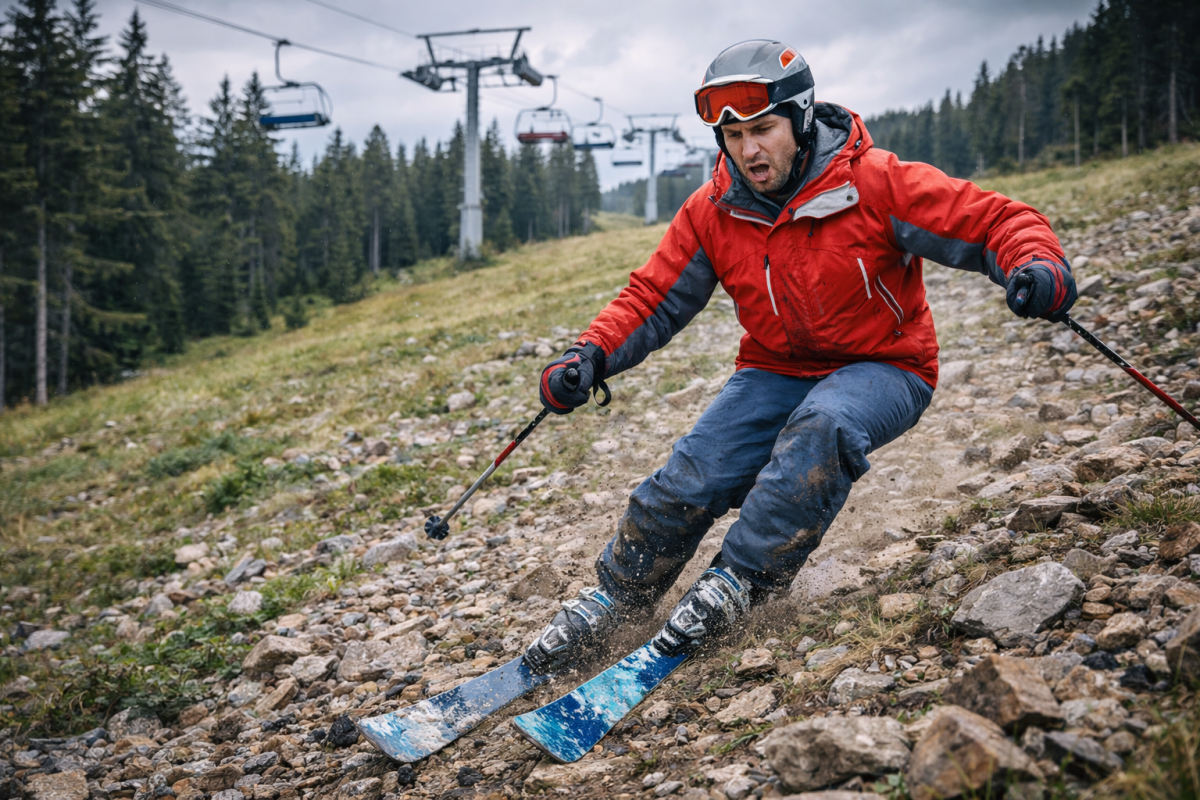
Foto: AI GENERATED
But here’s the good part—you can visit the Rogla–Pohorje destination all year round. Literally—from January to January or December to December—whichever you prefer. Even if there’s no snow, you can head up to Rogla and reward your lungs with fresh mountain air.
The forests of Pohorje act as one giant natural air purifier for both the environment and your respiratory system. And at Hotel Natura and Terme Zreče, you can treat your body in their spas and wellness centers—with massages, thermal spring water for your skin, and maybe a relaxing steam sauna.
As for your mental state—well, simply staying here and switching off your phone does wonders.
And do you know how you can help? Travel to Rogla sustainably—take the bus to the top. And if you’re a cyclist in great shape, ride your bike up. ????
“But I’m coming by car, I can’t do otherwise, so I can’t really help!”
Oh, but you can. You can offset your carbon footprint! Our green destination has already thought a step ahead. Here’s how: you buy a cute, elegant Treeclet bracelet (which, by the way, is a Slovenian product), offset your carbon footprint, and we use that contribution to plant up to five trees—helping neutralize emissions and support the planet long-term. ????
Heatwaves and drought:
Summers are getting hotter, which negatively impacts forests and natural ecosystems. Drought increases the risk of wildfires and reduces soil quality.
“But you have a river here—it hasn’t dried up. Lovrenška jezera are still full of water. And when I drive up to Rogla, I keep seeing little streams. Oplotniški vintgar is still flowing. What are you even talking about?”
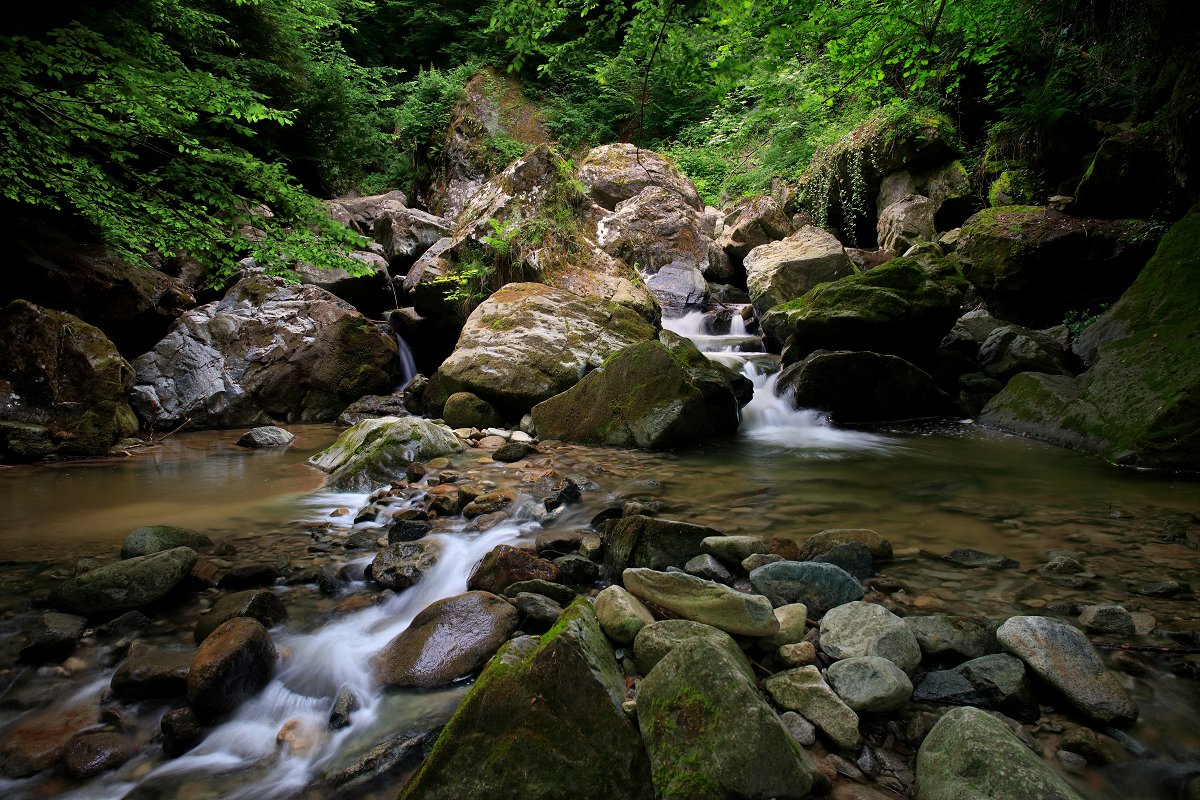
FOTO: Dan Briški
Does it really have to happen that the Dravinja riverdries up? The Lovrenška Lakes actually depend on rainfall. Drought doesn’t just affect the water levels of rivers and streams—it has a huge impact on the soil itself. Farmers suffer the most from drought, as they rely on fertile, moist soil. Without water in the ground, trees weaken, become more flammable, and are more vulnerable to diseases and pests.
So, what can you and I do to prevent the Lovrenška Lakes from turning into Mars?
Save water: turn off taps when it’s not needed. Hotel or apartment towels don’t need daily changing—because I trust you’re not messy. The less often clean towels are washed, the more water we save together. Simple as that. Even when brushing your teeth or washing up, shut the water off. If you love the sound of flowing water, head to the Dravinja, Partovec, Oplotnica Park, Oplotniški Vintgar, or just sit on the terrace of Gorska Reka.
Slovenia is one of the few countries with drinkable water, and the right to drinking water is even written into its constitution! You and I are lucky that we can fill a reusable bottle anywhere we go.
And one more thing: during a heatwave, escape to higher altitudes. In midsummer, it’s cooler on Rogla than in the valley—but remember sunscreen, a hat, and that water bottle we just talked about!
Feeling tired from all this reading? Hang in there—you can imagine how hard it would be if you had to hike up Rogla on foot!
Changes in biodiversity: Rising temperatures are forcing some plant and animal species to move to higher elevations in Pohorje. This alters the natural balance, as some species become endangered or retreat from certain areas.
Just like you, plants and foxes flee the heat to higher ground. No matter how pretty a flower is on Pohorje, please don’t pick it—you never know if it’s the last one. We want to preserve our plants, flowers, and wildlife.
So, what can you and I do?
FOTO: Domen Hohler
Take your trash with you—including that gum you’ve been chewing so long your jaw cramps. Spit it into a tissue, not the nearest bush. Stick to marked trails, because honestly—if you wander off, not only will you trample everything, you’ll probably get lost in the Pohorje forests. Then… good luck! ????
More frequent extreme weather events:
Severe storms, heavy rainfall, floods, and strong winds are happening more often. These events can damage infrastructure, forests, and affect the safety of both residents and visitors.
One simple rule: if you’re on Rogla and a storm approaches—RUN DOWN!
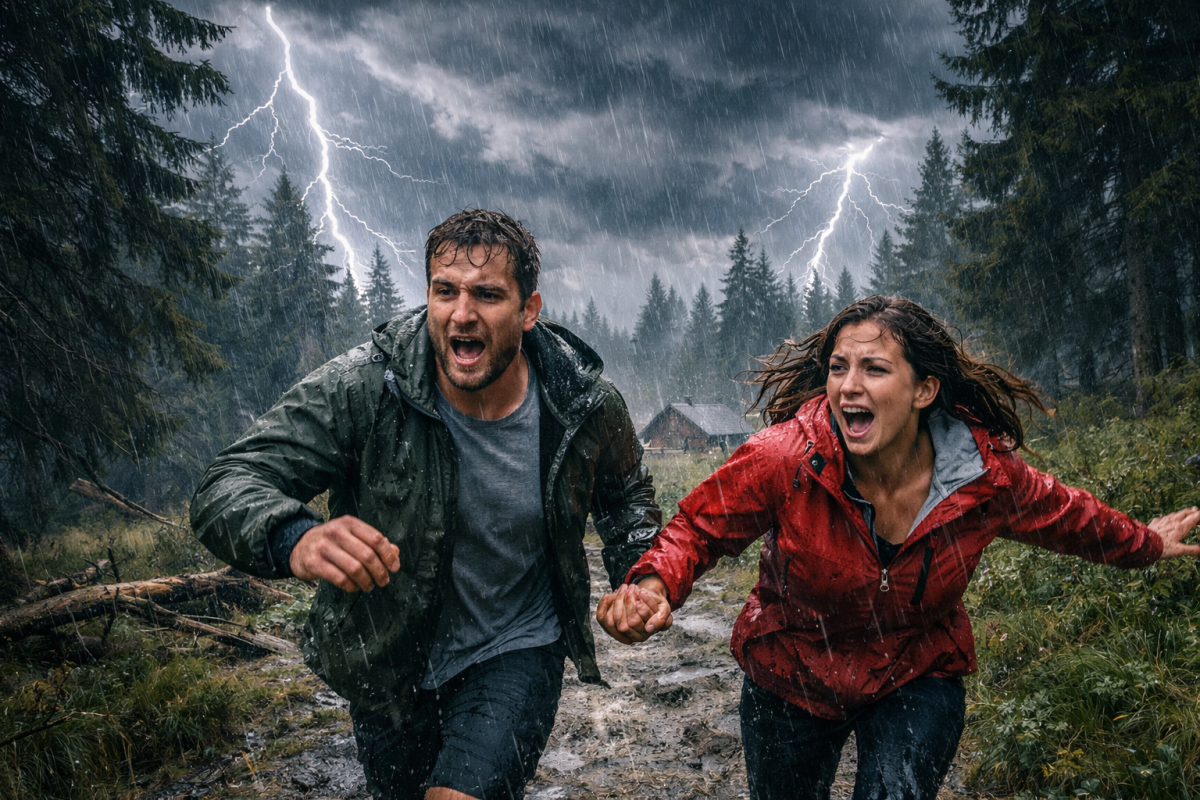
Foto: AI
Storms in high mountains can develop very quickly, especially during the warmest part of the day, when the air heats up strongly. They can bring short but intense rainfall, causing flash floods and soil erosion. The risk of lightning strikes is higher, particularly on open areas and ridges. If a storm catches you, seek enclosed shelter. A mountain hut—if open—is perfect. Don’t hide under spruces, as they can break.
What can you and I do, you might ask? The same things we covered earlier:
Let the storm pass. Use this time to stay in enclosed spaces until it’s safe again.